
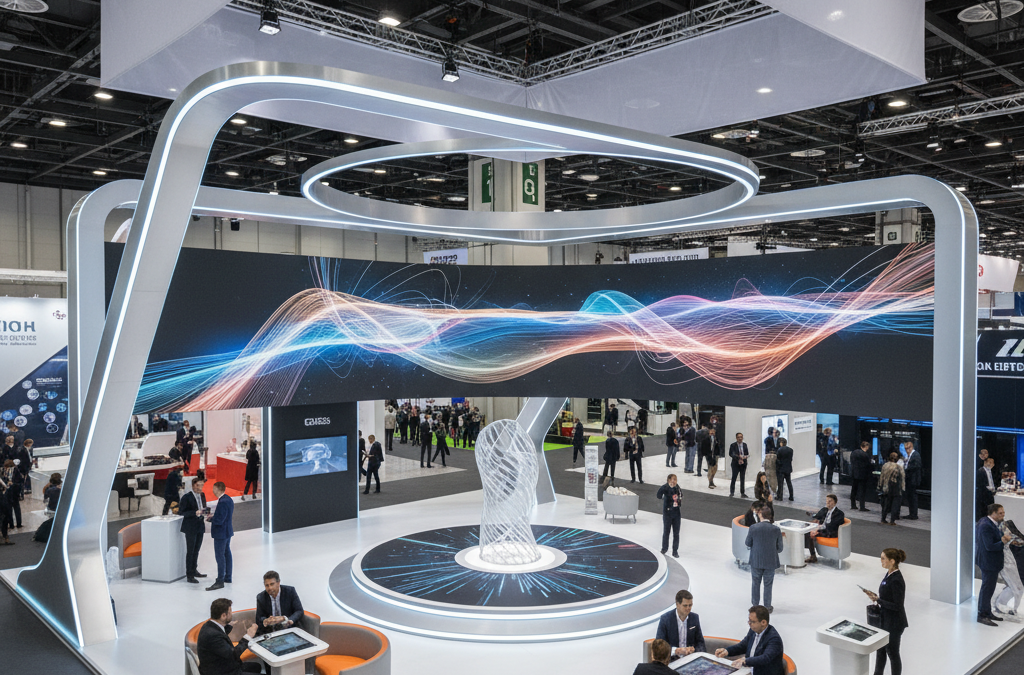

When it comes to exhibition stand design, the stakes are high. These structures are not just places to display brochures and samples—they're crucial tools for building brand awareness and engaging potential clients in the bustling environment of trade shows and expos. Crafting an effective exhibition stand involves a dynamic mix of creativity, practicality, and strategic planning, ensuring your company stands out from the crowd. But what are the key components of an outstanding exhibition stand?
The importance of a captivating exhibition stand
An eye-catching exhibition stand can significantly influence the traffic to your booth and the interactions you have with attendees. It's the first impression visitors receive about your brand, making it essential to resonate with your company's values and objectives. An effective stand will not only draw people in with its visuals but also tell a compelling story about your product or service. The layout, colors, and interactive elements must collectively create a memorable experience that prompts attendees to learn more about your offerings.
Key elements of effective exhibition stand design
To design an exhibition stand that captivates and informs, consider incorporating several key elements:
Visually striking graphics and branding
Use bold, high-resolution images and graphics that clearly represent your brand. The choice of colors and fonts should align with your corporate identity to enhance brand recognition. Stand-out graphics and strategic lighting can guide visitors' attention to specific areas or products.
Functional layout and space utilization
Design with flow in mind. Your stand should encourage visitors to move through the space easily. In addition, consider areas for interaction, seating, and demonstrations. The layout should support natural paths for engagement, making it easy for your sales team to interact with visitors.
Interactive elements and technology
Incorporate interactive elements such as touch screens, VR experiences, or product demonstrations to keep visitors engaged. Technology not only attracts attention but also provides a deeper understanding of your products or services, making your stand an experience rather than just a display.
Strategic planning for exhibition success
Planning is crucial for transforming an exhibition stand from a concept to a successful marketing tool. This involves knowing your target audience and tailoring the stand to meet their interests and needs. Pre-show marketing can whet the audience's appetite, setting the stage for meaningful interactions once the exhibition begins.
Choosing the right exhibition stand provider
The quality and efficiency of your exhibition stand often depend on the provider you choose. Experienced stand designers, like those available through Compass Fairs, offer valuable insights into layout, materials, and design trends. A professional provider can guide the entire process from conceptualization to installation, ensuring that your stand is delivered on time and to the highest standard.
Maximizing the return on your investment
While designing an exhibition stand can be resource-intensive, the potential return on investment is substantial. Make the most of this opportunity by engaging attendees through personal interactions and digital follow-ups. Collect contact information and insights to tailor post-show communications and nurture leads.
Ultimately, the effectiveness of an exhibition stand lies in its ability to engage and inform. By prioritizing strategic design elements and working with experts, companies can significantly enhance their presence at trade shows. With thoughtful planning and execution, an impactful exhibition stand becomes a crucial asset in your marketing arsenal, offering ample opportunities to build relationships and drive sales. Whether you are showcasing cutting-edge technology or consumer goods, having a well-designed stand can set you apart and leave a lasting impression on attendees.